
- Your cart is empty
- Continue Shopping
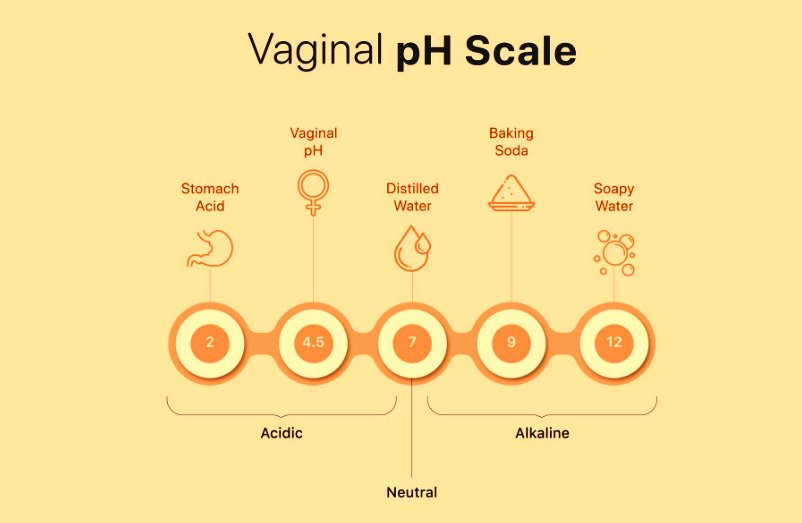
Vaginal pH & How to check it at Home: Myths, Facts & Tips for Natural Balance
Maintaining a balanced vaginal pH is vital for overall feminine health. A healthy vaginal environment helps protect against infections, promotes the growth of beneficial bacteria, and ensures optimal comfort. In this detailed blog, we’ll explore the science behind vaginal pH, guide you on how to check it at home, debunk common myths, and provide natural ways to restore and maintain a healthy balance.
What is Vaginal pH ?
Vaginal pH is a measure of the acidity or alkalinity of your vagina. The pH scale ranges from 0 (most acidic) to 14 (most alkaline). A healthy vaginal pH typically falls between 3.8 and 4.5, making it slightly acidic. This acidity is crucial because it helps prevent the growth of harmful bacteria and supports the flourishing of beneficial bacteria, particularly Lactobacillus. These good bacteria maintain the acidic environment, guarding against infections such as bacterial vaginosis (BV) and yeast infections.
Causes of Vaginal pH Imbalance
When vaginal pH becomes too alkaline (above 4.5), it can lead to various health issues, including infections, irritation, and unpleasant odor. Several factors can disturb the natural pH balance of the vagina, including:
- Menstruation: Menstrual blood has a pH of around 7.4, which can temporarily raise vaginal pH.
- Sexual Intercourse: Semen is alkaline (pH 7.2 to 8.0), which can disrupt the vaginal pH.
- Hormonal Changes: Fluctuations during pregnancy, menopause, or from birth control can alter vaginal acidity.
- Antibiotics: Antibiotics can wipe out both harmful and beneficial bacteria, leading to an imbalance.
- Douching and Harsh Products: Douching, scented soaps, and other harsh chemicals can disrupt the delicate balance of bacteria in the vagina.
- Poor Diet and Stress: Unhealthy eating habits, excessive sugar, and stress can contribute to a less healthy vaginal environment.
How to Check Your Vaginal pH at Home
Checking your vaginal pH at home is a simple and effective way to monitor your intimate health. Here’s how you can do it:
Step 1: Purchase a Vaginal pH Test Kit
You can find vaginal pH test kits at most pharmacies or order them online. These kits typically come with color-coded strips and a reference chart for interpreting results.
Step 2: Wash Your Hands
Make sure your hands are clean to avoid introducing bacteria into your vagina during the testing process.
Step 3: Insert the Test Strip
Gently insert the test strip about 1-2 inches into the vagina, ensuring it comes into contact with the vaginal walls. Some test kits come with an applicator for easier use. Hold it in place for a few seconds.
Step 4: Remove and Wait
Take the strip out and wait for it to change color, which usually happens in a few seconds.
Step 5: Compare & Analyze
Match the color on the test strip to the color chart provided in the kit. This will tell you whether your pH is in the normal range or if there may be an imbalance.
Normal pH Range:
- 3.8 to 4.5: This indicates a healthy, balanced vaginal pH.
- Above 4.5: This suggests a potential pH imbalance, often linked to bacterial vaginosis or other infections.
If your pH is elevated and you notice symptoms like unusual discharge, itching, or an unpleasant odor, it’s important to consult a healthcare provider for further diagnosis and treatment.
Natural Ways to Normalize Vaginal pH Balance
If your vaginal pH is out of balance, there are several natural methods you can use to restore a healthy environment:
1. Eat a Balanced Diet
Consume foods rich in probiotics like yogurt, kefir, and fermented vegetables, which help promote the growth of good bacteria in the vagina. Reduce your intake of sugar and processed foods, as they can encourage the growth of harmful bacteria.
2. Stay Hydrated
Drink plenty of water to keep your body and vaginal tissues hydrated. This helps maintain a healthy environment and flush out toxins.
3. Wear Breathable Clothing
Opt for cotton underwear and loose-fitting clothes that allow air circulation. Tight, synthetic fabrics can trap moisture and create a breeding ground for harmful bacteria.
4. Avoid Douching
Douching disrupts the natural balance of bacteria and can increase the risk of infections. Stick to gentle cleansing with water and mild, unscented soap for external areas only.
5. Practice Safe Sex
Use condoms to minimize the impact of semen (which is alkaline) on your vaginal pH. Avoid using spermicide or lubricants that can affect pH.
6. Consider Probiotic Supplements
Probiotic supplements containing Lactobacillus strains can help restore balance by increasing the levels of beneficial bacteria in your vagina.
7. Use Natural Remedies
Some women find relief by using natural remedies such as apple cider vinegar baths or coconut oil, but it’s essential to consult a healthcare provider before trying these to ensure they’re safe for you.
Myths vs. Facts about Vaginal pH
Let’s debunk some common myths and present the facts to clear up any misconceptions about vaginal pH:
Myth 1: You Need to Douche to Maintain a Healthy pH
Fact: The vagina is self-cleaning, and douching can disturb the natural balance of bacteria, making you more prone to infections. Avoid douching and let your body do its job.
Myth 2: A Bad Smell Always Means an Imbalance
Fact: A mild odor is normal for all vaginas. However, if the odor is strong, fishy, or accompanied by unusual discharge, it could be a sign of infection and pH imbalance.
Myth 3: You Can’t Do Anything to Fix pH Imbalance
Fact: There are many natural ways to restore vaginal pH, such as consuming probiotics, maintaining proper hygiene, and avoiding irritants like scented products and tight clothing.
Myth 4: All Vaginas Should Have the Same pH
Fact: The optimal pH can vary slightly from person to person. What’s important is knowing what’s normal for you and being mindful of any noticeable changes.
Myth 5: Sex Always Disrupts Vaginal pH
Fact: While sexual intercourse can temporarily raise vaginal pH, it usually returns to normal within a short time. If you experience consistent discomfort, consider using condoms and maintaining proper post-intercourse hygiene.
When to See a Doctor
While monitoring your vaginal pH can help you stay on top of your health, it’s essential to consult a healthcare professional if:
- You notice persistent changes in odor, discharge, or discomfort.
- You test your pH at home and consistently find abnormal results.
- You’re experiencing symptoms such as itching, burning, or pain during sex.
Your doctor can diagnose underlying issues and recommend appropriate treatments, such as antibiotics for bacterial infections or antifungal medication for yeast infections.
Conclusion
Maintaining a balanced vaginal pH is key to your overall intimate health. Regularly checking your pH at home and being mindful of your lifestyle choices can help prevent issues like infections and discomfort. Remember, your body has a natural system in place to regulate your vaginal environment, and by avoiding unnecessary products and following good habits, you can support your body’s natural defenses.
If you suspect a pH imbalance or experience any discomfort, don’t hesitate to consult a healthcare provider for expert advice.